Ever ordered something online and been amazed when it arrived the next day? That magical delivery experience is powered by AI working behind the scenes to optimize every step of the supply chain. Let me walk you through how this technology is revolutionizing the way goods move around the world.
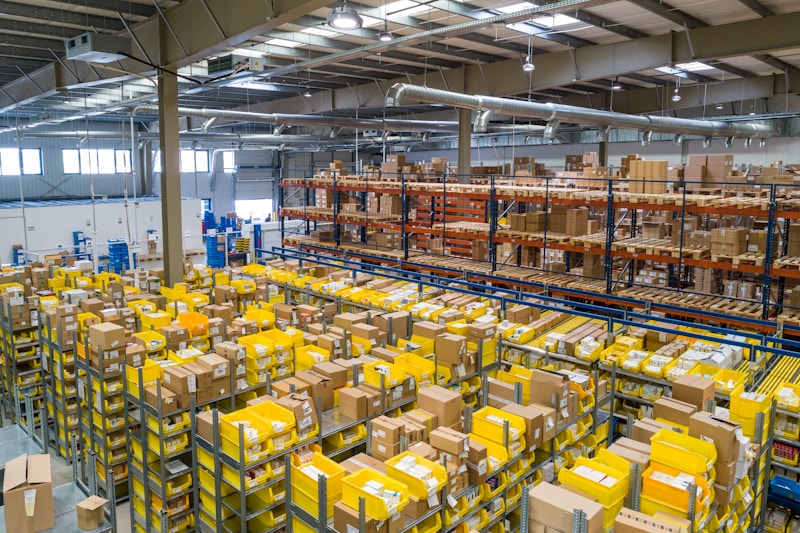
When I first started learning about supply chains, I was overwhelmed by their complexity. We're talking about global networks that involve thousands of suppliers, warehouses, transportation routes, and countless variables that can disrupt the entire system. A single delay can cascade into major problems.
Traditional supply chain management relied heavily on human intuition, historical data, and reactive decision-making. But in today's world, where customer expectations are higher than ever and delays cost millions, that's simply not enough. Enter AI.
One of the most powerful applications of AI in supply chains is demand forecasting. Think about how hard it is to predict what customers want—you have seasonal trends, economic conditions, marketing campaigns, competitor actions, and countless other factors to consider.
AI-powered forecasting systems can analyze:
The result? Forecasts that are significantly more accurate than traditional methods, leading to better inventory management, reduced waste, and happier customers.
Finding the right balance between having enough stock and not having too much is like walking a tightrope. Too little inventory means lost sales and disappointed customers. Too much means tied-up capital and storage costs.
AI helps optimize inventory by:
When I think about logistics optimization, I'm reminded of those complex puzzle games where you have to find the most efficient route. Now imagine doing that with thousands of delivery stops, dozens of vehicles, constantly changing traffic conditions, and time windows—that's what AI solves every single day.
AI-powered logistics systems can:
The global supply chain is only as strong as its weakest supplier. AI helps companies identify and mitigate supplier risks before they become problems.
AI-powered supplier management includes:
If you want to see AI in action, visit a modern fulfillment center. These facilities are marvels of automation, with robots zooming around, picking items, and preparing orders at incredible speeds.
AI powers warehouse automation through:
As impressive as AI supply chain solutions are, they're not without challenges:
Looking ahead, I believe we're moving toward what experts call "autonomous supply chains"—networks that can self-optimize with minimal human intervention. Imagine systems that can:
AI is transforming supply chain management from a reactive, intuition-based process into a proactive, data-driven science. Companies that embrace these technologies are seeing dramatic improvements in efficiency, customer satisfaction, and bottom-line results.
The supply chain of the future will be faster, more resilient, and more efficient than anything we see today. And AI will be at the heart of this transformation, working tirelessly to ensure that products flow smoothly from manufacturers to customers around the world.