AI Autonomous Drones: The Rise of Flying Robots
There's something futuristic about drones that fly themselves—no pilot in sight, just AI making all the decisions. What seemed like science fiction a decade ago is now reality, with autonomous drones delivering packages, inspecting infrastructure, and even saving lives. Let me share what's happening in this exciting field.
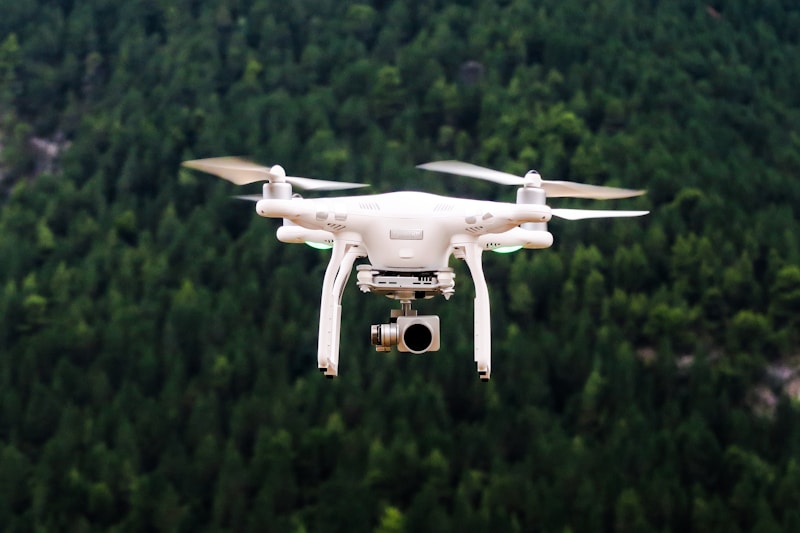
How AI Powers Autonomous Flight
Flying a drone is complex—navigating obstacles, adjusting for wind, following regulations, and making split-second decisions. AI handles all of this and more:
- Computer vision - Seeing and understanding the environment
- Sensor fusion - Combining data from cameras, GPS, and other sensors
- Path planning - Calculating optimal routes in real-time
- Obstacle avoidance - Detecting and avoiding obstacles automatically
- Decision making - Responding to unexpected situations
Package Delivery
One of the most visible applications is drone delivery. Companies like Amazon, Wing, and Zipline are already delivering packages—and sometimes medical supplies—in various parts of the world.
Delivery drone capabilities:
- Last-mile delivery - Getting packages to doorsteps efficiently
- Medical delivery - Transporting blood, vaccines, and emergency supplies
- Restaurant delivery - Getting food to customers quickly
- Heavy payloads - Larger drones for bigger packages
Did you know? Zipline's medical drones in Rwanda and Ghana have made over 70,000 deliveries of blood and medical supplies, often completing deliveries in minutes that would take hours by road.
Infrastructure Inspection
Inspecting bridges, power lines, and cell towers is dangerous and time-consuming. AI drones make this safer and more efficient:
- Power line inspection - Detecting damage and vegetation encroachment
- Bridge inspection - Identifying cracks and structural issues
- Cell tower inspection - Checking equipment without risky climbs
- Solar panel inspection - Finding damaged or dirty panels
- Wind turbine inspection - Inspecting blades for damage
Agriculture
Farmers are using AI drones to monitor crops and increase yields:
- Crop monitoring - Multispectral cameras detect stressed plants
- Precision spraying - Targeted application of pesticides and fertilizers
- Plant counting - AI counts plants for yield estimation
- Irrigation management - Identifying areas that need water
- Pest detection - Early identification of pest problems
Emergency Response and Public Safety
Drones are becoming essential tools for first responders:
- Search and rescue - Finding missing persons in wilderness areas
- Disaster assessment - Surveying damage after hurricanes or earthquakes
- Fire monitoring - Tracking wildfires and guiding firefighters
- Flood response - Assessing flooding and rescuing stranded people
- Law enforcement - Surveillance and crowd monitoring
Surveying and Mapping
AI drones are revolutionizing how we create maps and 3D models:
- Topographic mapping - Creating detailed elevation models
- Construction monitoring - Tracking progress on building projects
- Mining and quarrying - Measuring stockpiles and monitoring sites
- Archaeological surveys - Discovering and documenting sites
- Urban planning - Creating detailed city models
The Challenges
Despite progress, autonomous drones face challenges:
- Regulations - Rules around drone flight vary and can be restrictive
- Safety - Ensuring drones don't cause accidents
- Security - Protecting drones from hacking
- Weather - Drones struggle in extreme conditions
- Public acceptance - Privacy concerns about drones in communities
Conclusion
AI-powered autonomous drones are transforming industries from delivery to agriculture to emergency response. As AI improves and regulations become more accommodating, we'll see even more applications. The sky really is the limit—drones are just getting started.